Introduction
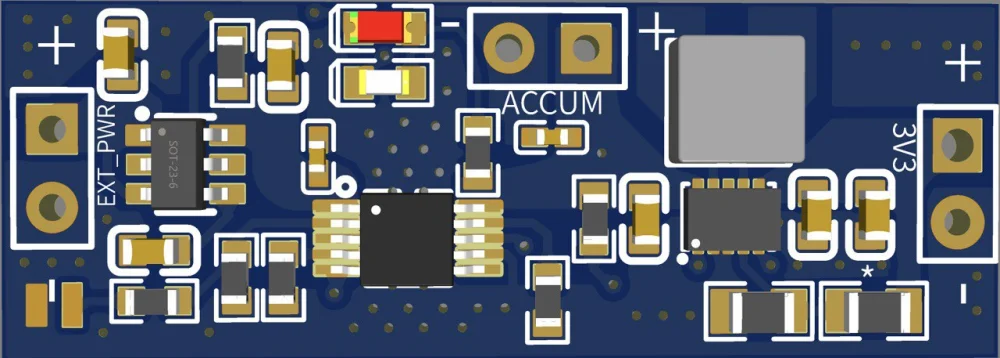
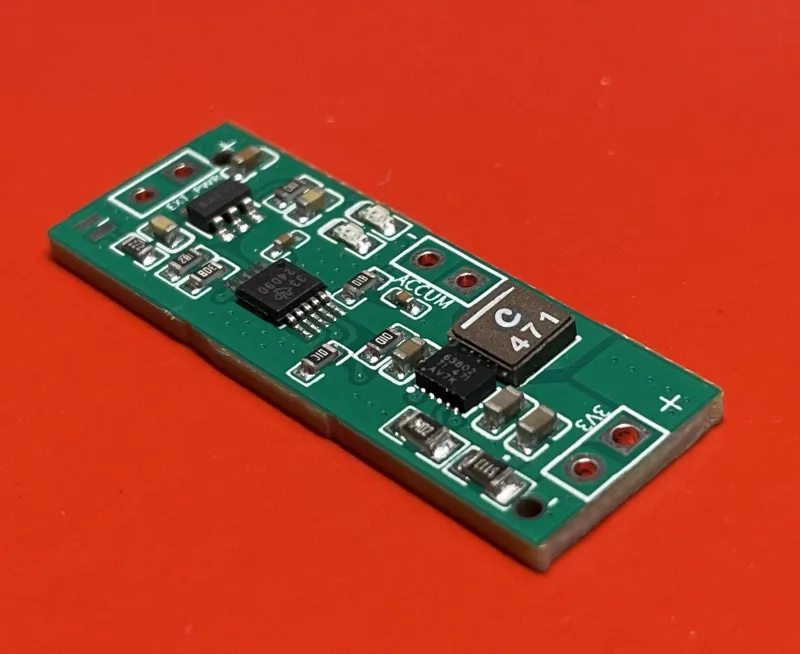
The Micro Power Core is a highly compact and efficient power controller designed for IoT devices and DIY projects. In this blog, we will explore its key features, design philosophy, and how it addresses common challenges in power management for small-scale electronic systems.
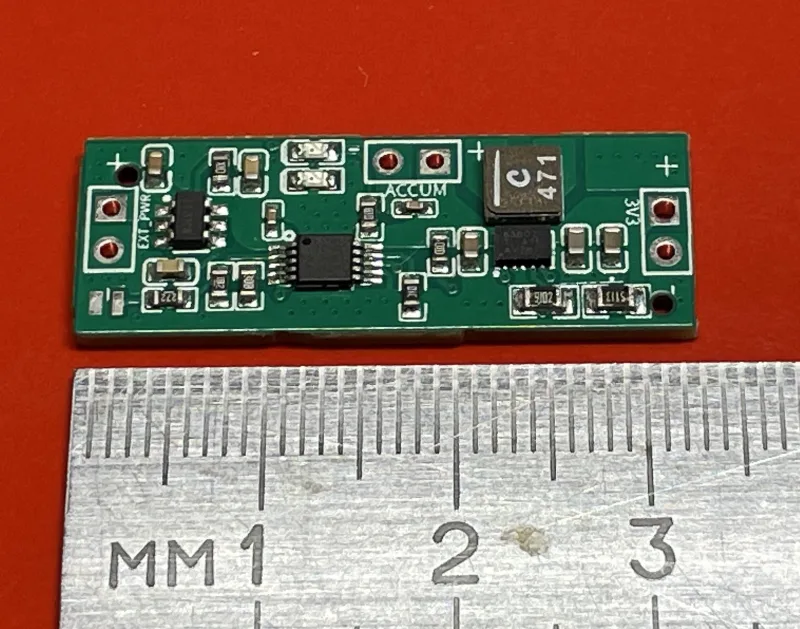
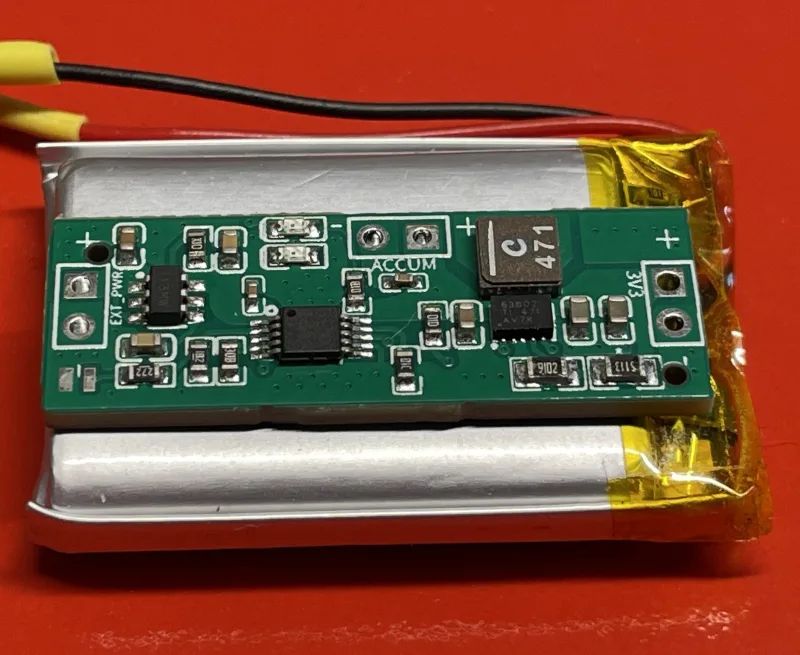
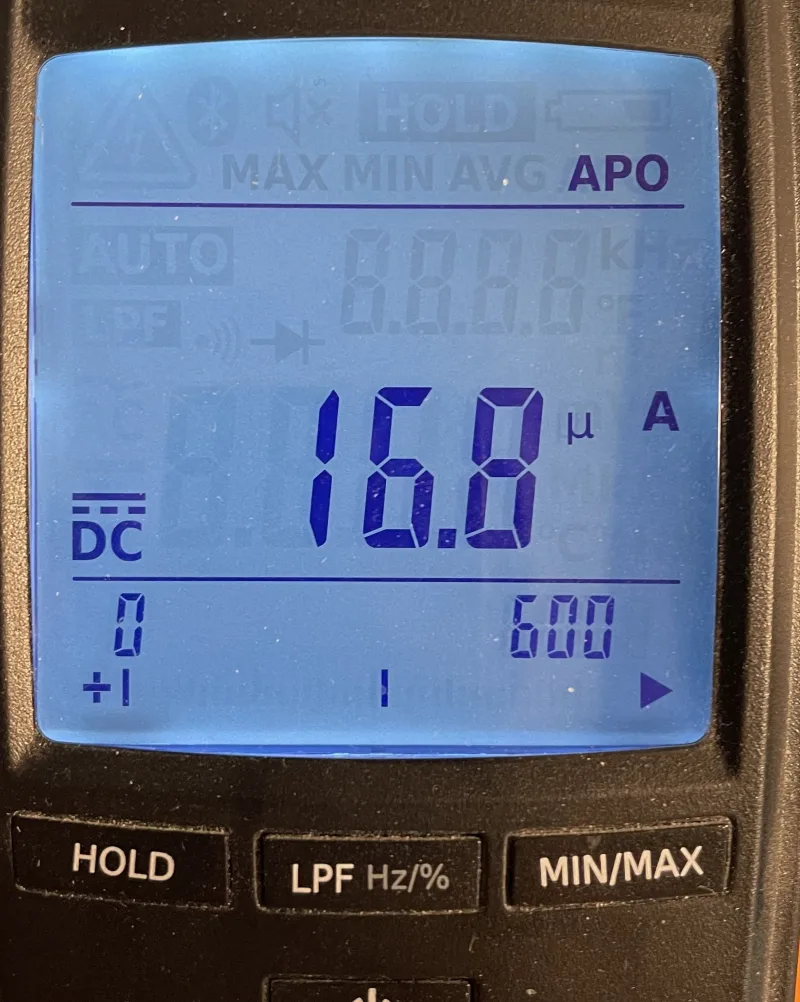
Unlock the full potential of your DIY projects with Micropowercore! Compact, powerful, and ultra-efficient - this tiny board is designed for makers who need reliable power, smart battery charging, and energy-saving performance in a single module. With an incredibly low standby current of just 17 µA, Micropowercore is a perfect fit for battery-powered projects, especially in the world of IoT, remote sensors, and mobile gadgets. Whether you’re just getting started with electronics or building advanced microcontroller systems, this board gives you the tools to power your ideas efficiently. All-in-one: battery charger, voltage regulator, and DC-DC converter - in a board just 33x12 mm in size. Reliable power. Minimal consumption. Maximum creativity.
📄 Datasheet (PDF) | 🛒 Buy on Tindie | 🛒 Buy on Lectronz
| Battery | One Li-Ion / Li-Po cell, 3.0–4.2 V (single-cell charger) |
|---|---|
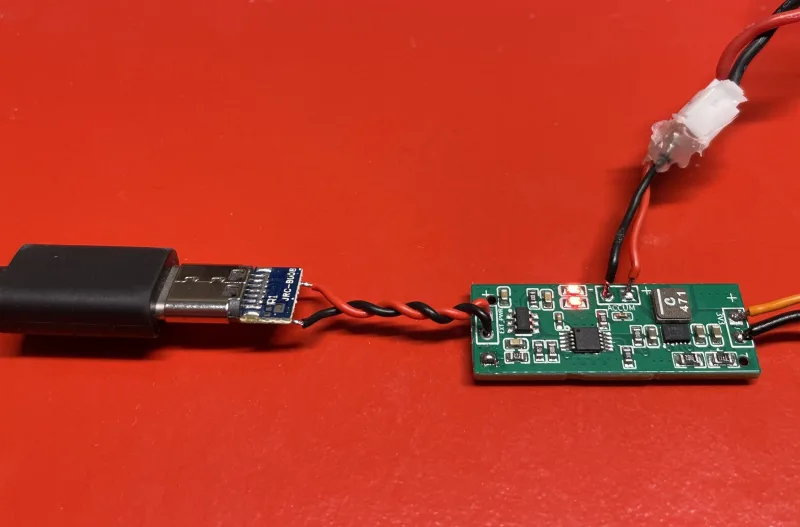
| Input (VIN) | 4.5–5.5 V, e.g. a USB 5 V supply |
| Output | 3.3 V regulated buck-boost, up to 1 A |
| Charge current | 300 mA default, 500 mA via jumper; 10-hour safety timer |
| Quiescent current | 17–18 µA for the whole module, no load |
| Size | 33 × 12 mm, 2-layer PCB |
| Typical use | Battery-powered ESP32 / Arduino (3.3 V) projects, IoT sensors, wearables |
Datasheet
Where to buy?
Direct product pages: MicroPowerCore v1.2 on Tindie · MicroPowerCore v1.2 on Lectronz
Design philosophy
The core idea behind the Micro Power Core is simplicity and reliability in a small form factor. Measuring only 33 × 12 mm, this controller seamlessly integrates advanced components like the Texas Instruments BQ24xxx (battery management IC) and TPS63xxx (buck-boost converter) to ensure consistent performance across a range of conditions.
Key features and specifications
Battery management
The BQ24xxx IC manages the charging process for single-cell LiPo batteries. With built-in safety features, it prevents overcharging and extends the battery’s lifespan. The charging process is monitored via onboard LEDs that indicate charging progress and completion.
Buck-Boost conversion
The TPS63xxx ensures a stable 3.3V output, regardless of the battery’s charge state. Whether the input voltage is higher or lower than the required output, the converter adjusts efficiently to provide consistent power to connected microcontrollers and sensors.
Technical challenges and solutions
- Voltage Fluctuations: Many IoT devices face issues when battery voltage varies during operation. The Micro Power Core’s buck-boost converter stabilizes these fluctuations, ensuring uninterrupted functionality.
- Compact Design: By integrating advanced ICs, the controller fits sophisticated power management capabilities into a small package, ideal for space-constrained projects.
- Energy Efficiency: The high-efficiency components minimize power loss, making it suitable for long-term, battery-operated devices.
Applications
From IoT sensors to wearable technology, the Micro Power Core is a versatile solution for any project requiring reliable power management. Its compact size and advanced features make it ideal for:
- Battery-powered IoT devices
- Sensor systems with extended autonomy
- Robotics and embedded systems
- Portable and wearable devices
FAQ: MicroPowerCore v1.2
Which batteries can MicroPowerCore charge?
One Li-Ion or Li-Po cell in the 3.0–4.2 V range. Multi-cell packs and LiFePO4 cells are not supported. The charge current is 300 mA by default or 500 mA with the jumper, and the charger has a fixed 10-hour safety timer, so very large cells (4000 mAh and more) may not complete a full charge in one cycle.
Can my ESP32 keep running while the battery charges?
Yes. The system load is connected in parallel with the battery, so the 3.3 V output stays up while VIN is present. Current drawn by your circuit reduces what is left for the battery, so charging takes longer under load.
Is 1 A enough for an ESP32 with Wi-Fi?
Yes for ESP32-class modules: their Wi-Fi and Bluetooth transmit bursts are in the hundreds of milliamps (see the Espressif datasheet), within the 1 A output. Keep a bulk capacitor close to the module to absorb the peaks; our DeepSleep dev board uses 22 µF.
How is this different from a TP4056 module plus a boost or buck converter?
A TP4056 board only charges the cell; you still need a separate regulator, extra wiring, and every added board adds its own quiescent current. MicroPowerCore combines the charger and a buck-boost converter on one 33 × 12 mm board with a total no-load current of 17–18 µA, and the buck-boost holds 3.3 V across the whole 3.0–4.2 V cell range instead of dropping out when the cell voltage falls.
What is the quiescent current and why does it matter?
17–18 µA is what the whole module draws with no load and no charging: charger plus buck-boost. In a sleeping IoT node this overhead is often larger than the microcontroller itself (an ESP32 in hibernate draws about 5 µA on our DeepSleep board, see the hibernate guide), so the power board decides the standby budget.
Can I get 5 V or another output voltage?
The board ships configured for 3.3 V, the native voltage of the ESP32 and most 3.3 V sensors. The output is set by a feedback resistor, so other voltages are possible for experienced users, but 3.3 V is the only configuration we test and document.
Can I charge from a solar panel?
Not directly. VIN must stay within 4.5–5.5 V, and even a small 5 V or 6 V panel exceeds that when lightly loaded, so a 5 V regulator would be required between the panel and the board, and that regulator's own consumption has to be added to the standby budget. We have not measured or documented a solar setup and do not recommend one yet.
Conclusion
The Micro Power Core demonstrates how modern power management solutions can meet the demands of today’s IoT and DIY projects. Its compact design, reliable performance, and energy efficiency make it an essential tool for developers and enthusiasts alike.